Compliance Theater Explained: 4 Signs Your Audit Is Measuring Performance, Not Protection
Compliance theater is what happens when a site can prove paperwork faster than it can prove field control, which leaves leaders with a polished file and an untested barrier.

Key takeaways
- 01Compliance theater shows order on paper, but it does not prove that the field changed.
- 02A clean file is weak evidence if the control has never been tested where the work happens.
- 03Leaders should close actions only when they can show field proof, not only documentation.
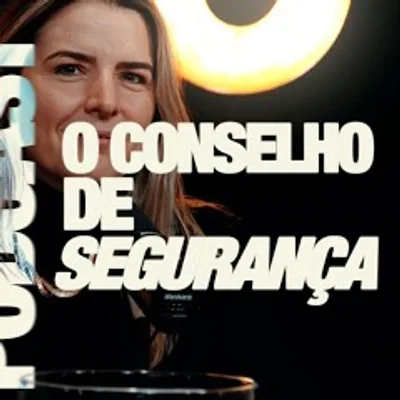
On the Headline Podcast, Andreza Araujo and Dr. Megan Tranter keep returning to a sharp problem. A site can look more disciplined on paper while the field still runs on workarounds.
Compliance theater is the answer when audits reward visible order but do not prove that the barrier, routine, or supervision actually changed.
Compliance theater is the habit of making safety look controlled through tidy files, fast closure, and polished reporting, while the work itself still runs on weak supervision, undocumented shortcuts, and unverified barriers. It matters because leaders can mistake presentation quality for protection quality, especially when they only inspect documents.
Definition
Compliance theater is not the same as compliance. Real compliance shows that the system can hold a standard in the field, while theater shows that the organization can produce the DuPont 24 Elements review appearance of order. HSE and OSHA both treat safety as something that must be managed in actual work, not only described in procedures, which is why a clean file without field proof is weak evidence.
The concept matters most for boards, plant leaders, and EHS teams because the higher the reporting polish, the easier it becomes to assume control that has never been tested. If the work still depends on a workaround, a verbal reminder, or an unverified handoff, the audit may be complete even though the protection is not.
4 signs of compliance theater
- Audit-heavy, field-light
- The paperwork closes on time, but no one can show the last physical check, observation, or test that proves the control still holds. That gap matters because a report can be perfect while the work remains fragile.
- Training closes the file
- The organization treats attendance as proof of control, even though the exposure sits in layout, supervision, sequence, or decision rights. Training can help, but it does not change a blocked access route, a weak handover, or a broken verification step.
- Clean numbers, dirty routines
- The dashboard looks tidy while repeat deviations, rework, and quiet workaround use keep the risk alive. That is the point where leaders should ask for field evidence instead of better screenshots.
- No proof trail
- When people cannot explain how they know the barrier still works, the control is being assumed, not verified. The system may still be safe, but it has not shown the proof that would justify closing the review.
How to differentiate in practice
The fastest test is simple. Ask what closes the item, what proves it held, and who owns the next check. If the answers stay in the file, you are probably looking at theater. If the answers move into the field, the organization is closer to real control.
| Question | Compliance theater | Real control |
|---|---|---|
| What closes the action? | Signed form or training record | Physical verification in the work area |
| What proves it held? | Screenshot, checklist, or audit score | Barrier test, observation, or field check |
| What do leaders ask next? | Did we finish it? | Did the condition change? |
| What happens if proof is weak? | The file still closes | The work stays open until evidence exists |
That is why the related article on Paper Safety Culture: 4 Distortions That Keep Compliance Cosmetic matters here. It shows how a polished system can still hide weak control. The broader safety transformation portfolio shows why that pattern repeats across different operations. The same lens appears in Safety Culture Drift Explained: 6 Warning Signs Leaders Miss, where the early signs are often small enough to be missed by leaders who trust the report more than the work.
When to use the concept
Use compliance theater when an audit looks clean but the field still shows improvisation, when an incident review keeps stopping at the last visible act, or when a board slide looks better than the condition on the ground. It is a useful phrase because it forces leaders to separate documentation from proof.
That separation is especially useful in executive reviews, because a leader can otherwise confuse activity with control. The right question is not whether the site can produce evidence fast. The right question is whether the evidence proves that the exposure changed.
If your review still depends on trust in the file alone, compare this article with Paper Safety Culture: 4 Distortions That Keep Compliance Cosmetic and keep the conversation going on Headline Podcast.
FAQ
What is compliance theater? It is the appearance of control created by tidy records, quick closure, and polished reporting, while the work itself still has not been proven safe in the field.
Is compliance theater the same as bad compliance? No. Bad compliance is a failure to meet a standard. Compliance theater can look successful on paper while the standard still is not verified where the work happens.
What should a leader verify first? Ask for field proof, not just file proof. If the control matters, the team should be able to show the last check, the owner of the next check, and the condition that changed.
If this gap shows up in your own review, compare it with Paper Safety Culture: 4 Distortions That Keep Compliance Cosmetic and keep the conversation going on Headline Podcast.
Frequently asked questions
What is compliance theater?
Is compliance theater the same as bad compliance?
What should a leader verify first?
About the author

Andreza Araújo
Safety Culture Expert | Senior EHS Executive
Andreza Araújo is a safety culture expert and senior EHS executive with more than 25 years of experience in environment, health and safety. She is a Civil Engineer and Occupational Safety Engineer from Unicamp, holds a Master's degree in Environmental Diplomacy from the University of Geneva, and completed sustainability studies at IMD Switzerland. Andreza has served in Global Head of EHS roles in Fortune 500 environments, leading cultural transformation programs across multinational operations. She has represented Brazil as a speaker at the United Nations in Paris and has spoken at the International Labour Organization in Turin. She is the author of more than 16 books on safety culture in Portuguese, Spanish, English and German. Her work has earned more than 10 EHS awards, including two recognitions from Indra Nooyi, former PepsiCo CEO.
- Civil & Safety Engineer (Unicamp)
- M.A. Environmental Diplomacy (University of Geneva)
- Sustainability Cert (IMD Switzerland)
- People Management & Coaching (Ohio University)
- UN Paris speaker representative for Brazil
- ILO Turin speaker
- LinkedIn Top Voice
- Indra Nooyi PepsiCo CEO recognition (2x)
Documentaries
Watch Andreza's documentaries
Three productions on safety culture, organizational failure and the human lessons behind major disasters.


Podcasts
Listen to Andreza's podcasts
She hosts three shows on safety leadership, EHS and organizational culture, in English and Portuguese.